
How to start sewing your own clothes as a complete beginner
If you’re wanting to start sewing your own clothes as a complete beginner then you’re in the right place! I started sewing clothes for my wardrobe with very limited sewing experience. I know how overwhelming it can feel to get started, trust me. I’m going to break it down for you and share the steps I took to start sewing my own clothes as a complete beginner.
1. Get an idea of what sewing is like by watching videos
Watching sewing videos can be really inspiring. You can see how a piece of fabric slowly becomes a beautiful, wearable garment. You also get a feel for the work that goes into creating that piece of clothing. There are probably a number of steps that aren’t shown on camera, but you can at least get an idea. Maybe you feel inspired enough to immediately start looking for a sewing machine of your own. Or maybe you realize that there’s way too much that goes into it and sewing probably isn’t your thing. That’s okay! It’s better to figure that out before you spend the money on a machine.
There are so many sewing channels out there but I’ll share with you some of my personal favorites:
Rosery Apparel has lots of tutorials and sew-with-me videos to get you inspired. She also has a sewing for beginners series to help you learn some of the basics of sewing.
Rooney Sewing Patterns is another channel I enjoy with lots of slow sewing videos reminding you to enjoy the process.
If you love colorful fabrics and all things vintage then Lauren Johnson is another great sewing channel for you to check out!
2. find a sewing machine to start on
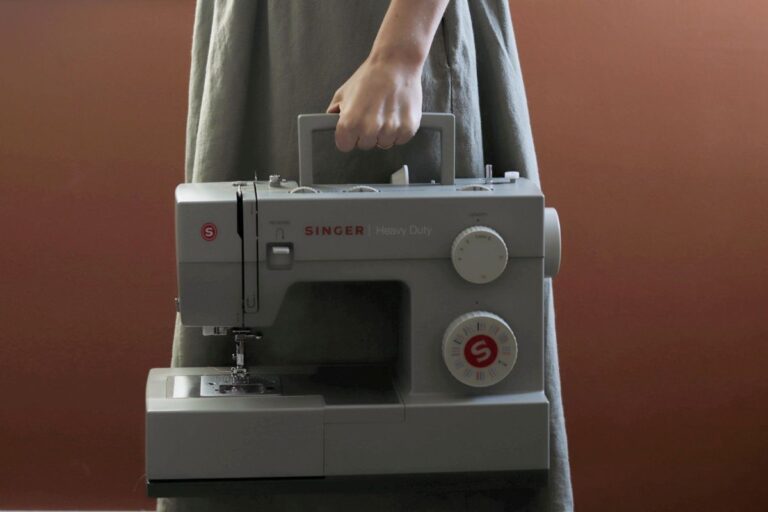
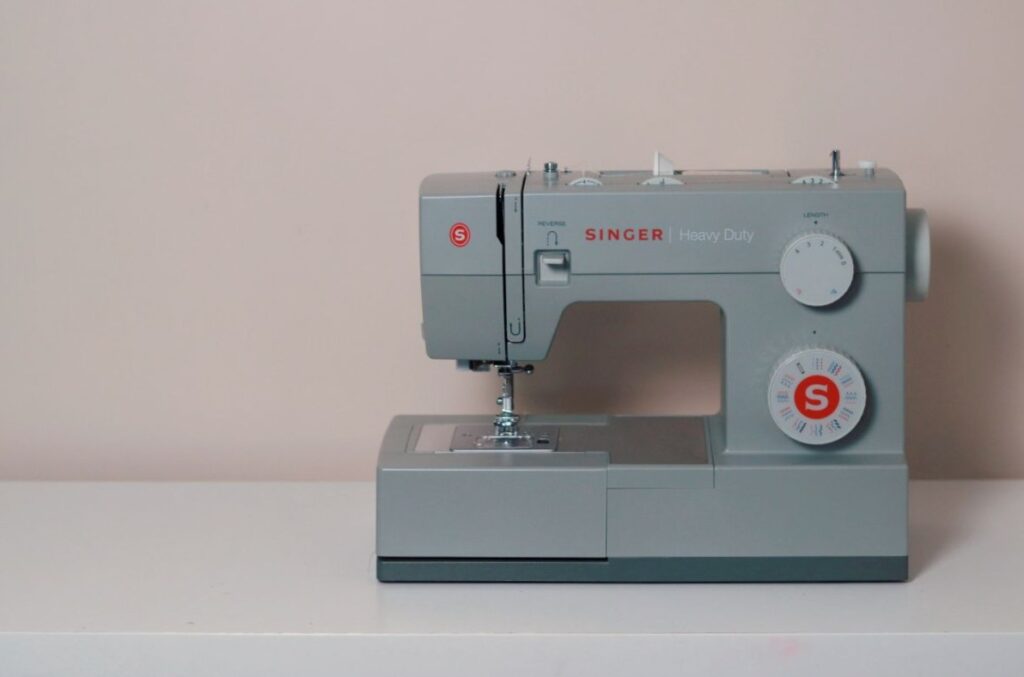
For someone who is new to sewing I recommend starting out with a simple, cheap machine. Or you could even borrow a machine from a friend or family member if they happen to have one lying around. I know it can be tempting to go out and buy a fancy new sewing machine. But, especially if you’re on a budget, starting out with something inexpensive can potentially save you money down the road if you end up changing your mind about sewing. Maybe it looks fun and easy but, once you start, you realize it really isn’t for you. If you haven’t spent much on it you’ll end up with less regrets. If you find you love it then you can save up and upgrade to a new machine later on.
Where to Find Your First Sewing Machine
Facebook Marketplace is a great place to look for sewing machines for a good price. I got my first sewing machine from Marketplace for around $75. It was an older Janome machine that didn’t have any of the modern bells and whistles, but it worked and that’s what mattered at the time. It was a great machine to learn on too as it wasn’t as fast as some of the newer ones.
You could also keep an eye out at thrift stores or garage sales. I’ve seen a number of sewing machines pop up at our local thrift store that would make great first-time sewing machines. If you’re getting one from thrift store though you may want to check and make sure it actually runs before taking it home, just to be safe.
What to Look For When Getting Your First Sewing Machine
Some machines come with a lot of fancy (and useful!) settings. But if you’re just starting out you can get by with just the basics. As long as the machine has a straight stitch and a zigzag stitch you’ll be good to go! From there you can add on any accessories that will help you with your sewing projects, like a zipper foot for sewing on zippers or a walking foot for stretchy fabrics.
If you want a little more information on what to look for when buying a sewing machine, check out this video.
3. Get to know your machine
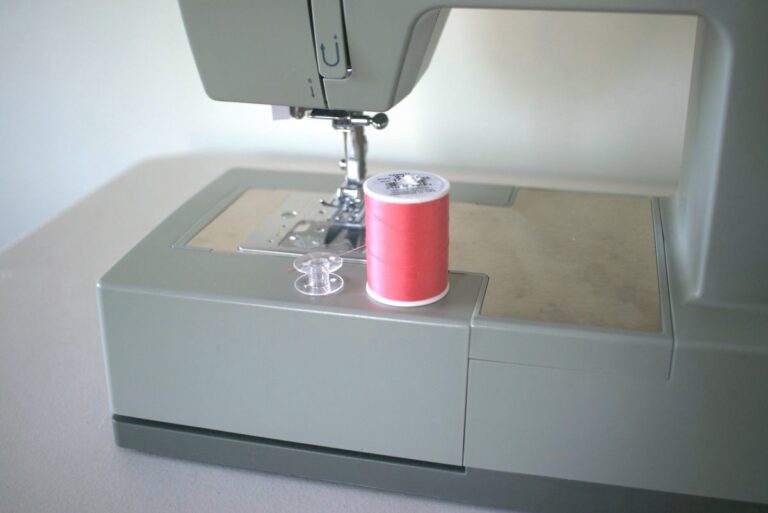
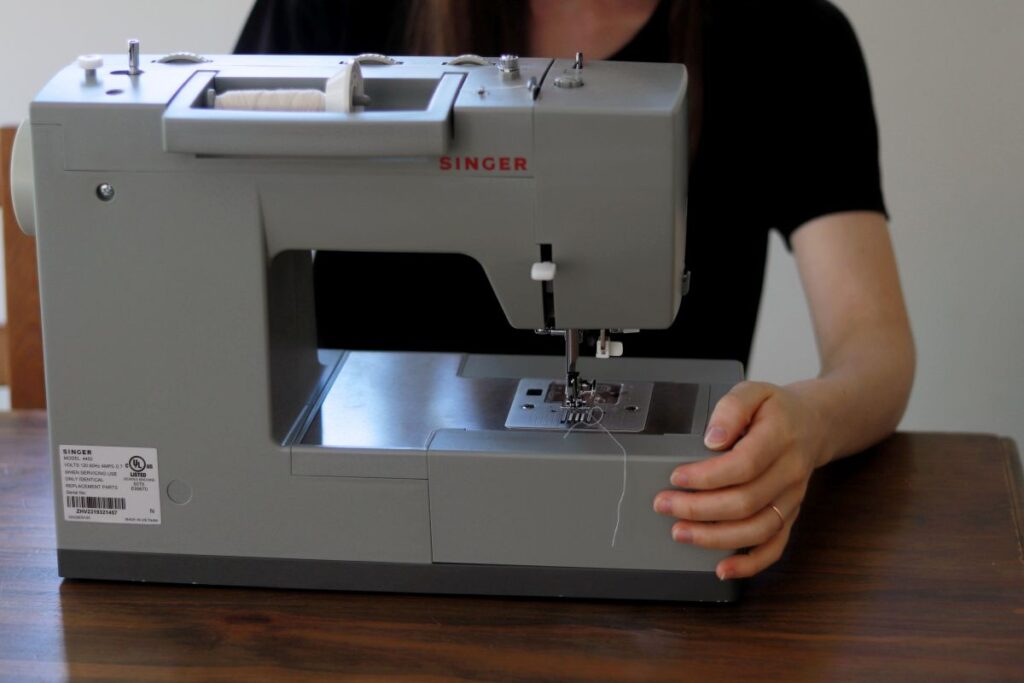
Now that you’ve got a machine you’re all set to start sewing your own clothes! But before you begin I highly recommend getting familiar with your sewing machine. If it came with a manual, take some time to sit down and flip through it. I know reading the manual may seem super boring and unimportant but trust me! You’re manual can be your best friend when it comes to troubleshooting issues and understanding how your machine actually works.
If it didn’t come with a manual, try looking online. Search for the model of your machine and see if it comes up. Or try searching on Youtube for how to use your machine and see if there is a video detailing the settings for the one you have.
Once you understand the different parts of the machine and what they do, then it’s time for your first test run. You can start out with a scrap piece of fabric or even a piece of paper. Draw some big circles, curvy lines, and some straight lines on a piece of paper. Then, take the thread out of the machine and practice sewing along the lines. This is really helpful for getting used to sewing along curves like necklines, armholes, and pockets.
4. Start with a beginner-friendly pattern
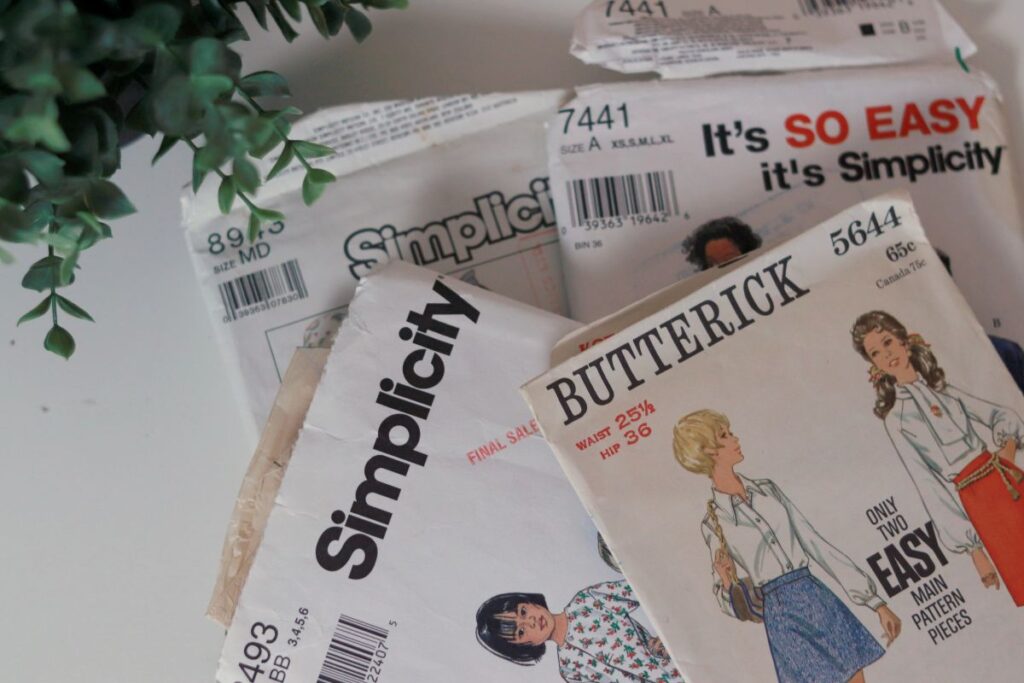
For your very first sewing project it’s best to keep it simple. Something like a basic shirt or shorts is a great place to start! You can practice some basic sewing skills like hemming, sewing curves, and making a casing for elastic. Starting with a simpler project also means it won’t take you as long to finish. If you’re first project is a bit complicated you might end up getting frustrated and wanting to quit when you just got started.
One simple pattern that would be great for beginners are these pajama shorts from Rosery Apparel, and the pattern is free! Not only are they simple to sew up but the fact that they’re pajamas means it doesn’t matter if you make some mistakes because you’ll only be wearing them to bed. A tiered skirt with pockets is another simple project you could try (no pattern needed! Check the top comment for the correct formula to make it yourself). If you have littles you also want to make clothes for you could try this crewneck sweater for kids (this was my first project).
While you’re getting the hang of sewing, make sure you check the reviews when you go to buy a pattern online. There are patterns out there labeled as “beginner” but in the reviews people are saying the instructions are complicated and unclear. At this stage I can usually figure out the instructions even if they aren’t well written. But if you’re just starting out I would stick with patterns that have clear, well written instructions that will be easy for you to follow.
5. Choosing your fabric
Finding fabric is another part of sewing that can be overwhelming. There are so many different kinds to choose from!
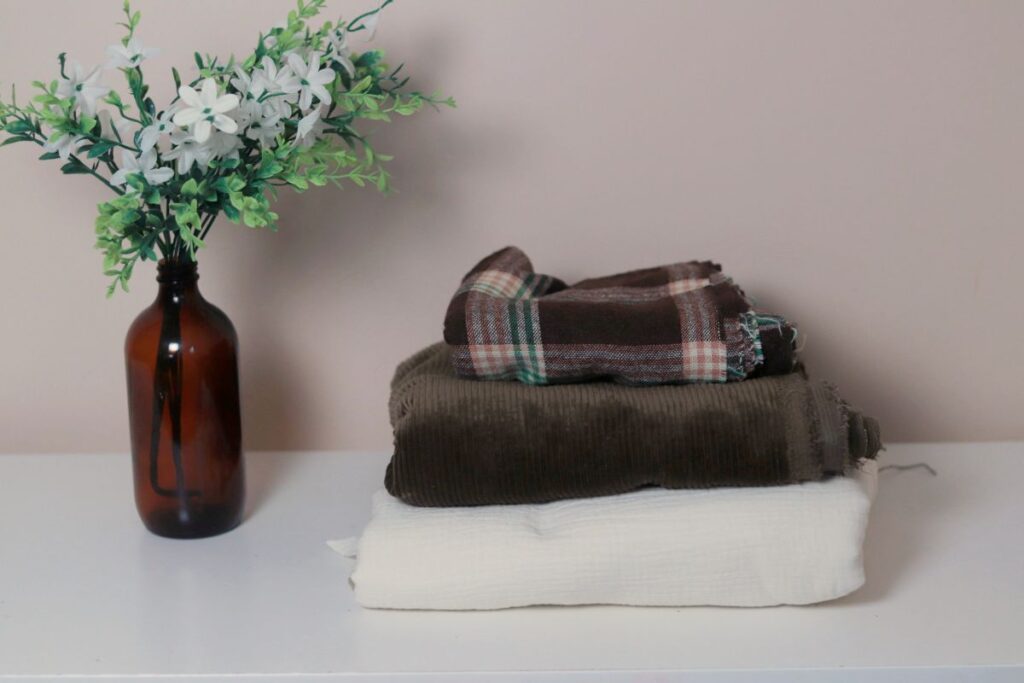
For your first project you’ll want to go with something that is more structured like quilting cotton. Lightweight fabrics tend to be a bit tricky to work with as they tend to slide around. If you want a cheap option in case it doesn’t turn out the way you’d like, you can also pick up a bedsheet from the thrift store and use that to make your sewing project. If you do decide to use a bedsheet try to avoid polyester sheets. They are a bit more slippery to work with compared to cotton. Also be sure to check for staining or holes! If it just has one or two small holes you could potentially cut around them and still use the rest of the sheet. But it’s still best to check so you know how much usable fabric you actually have.
6. Learn as you go
The best way to learn how to sew is by sewing! There’s so much you pick up from actually sewing a project. Each piece you make is a lesson and each time your project will turn out a little bit better. In my opinion there’s no such thing as a failed project. Even if what you make is unwearable you still learned something from it that you can apply to your next project.
Take it slow and be patient with yourself. Before you know it you’ll be sewing up beautiful pieces for your wardrobe that you can be proud of.
How Long Does It Take to Learn How to Sew Your Own Clothes?
I’m sure you’ve heard the saying “practice makes perfect” at least a hundred times before. It really is true though and sewing is no exception. How long it takes is really up to you and how much time you put into it. The more time you invest the faster you’ll learn. If you have the money to invest in a course or some classes, that will speed up your learning process too. The more videos you watch will also speed things up because there really is so much you can learn from someone who has more experience.
Whether is takes you a few months to feel really confident sewing pieces for you wardrobe or a year is up to you. Do you have a lot of spare time to practice and watch videos? Are you really passionate about creating a handmade wardrobe? Then you’ll likely be able to pick it up pretty quickly. If you don’t have as much time or find you prefer spending your extra time doing other things then the process will take you a bit longer.
Is it Actually Cheaper to Sew Your Own Clothes?
This depends on a couple of things. Things like where you source your fabric and what style of clothing you enjoy wearing. For me, sewing my own clothes is definitely cheaper. I thrift the majority of my fabrics and the style of clothing I like is on the more expensive end. I’ve replicated dresses that would have cost me close to $100 while I spent only about $10-$20 for the fabric and notions. Now I’m not factoring in the amount of time it takes to make a garment. To me it doesn’t make a difference because I enjoy sewing and would be doing it anyways. If you aren’t sewing because you enjoy it you’d have to factor that in.
If your buying all your fabrics new and tend to spend only $30-$50 for a new piece of clothing then no, sewing your own clothes won’t be cheaper. Being able to go to a store with a wide variety of fabrics and choosing the types of fabrics you want to work with is so nice. I could spend hours at fabric stores looking through all the fabric and imagining what they could become. But I don’t have lots of money to spend on fabric. So I’ve learned to enjoy hunting down beautiful fabrics at my local thrift stores. There are days where there is nothing. Then there are days where I find an armload of fabrics for half, or sometimes less, than what it would have cost me buying them new.
You have to ask yourself if you really want to save money making your own clothes. If your answer is yes, you will be spending more time looking for those fabrics. If not, then by all means enjoy your trips to the fabric store and picking out the fabrics you want to work with. Just like with how long it takes you to learn to sew, whether it is cheaper or more expensive is really up to you.
What got you interested in learning to sew? Leave a comment below and let me know, I’d love to hear from you!