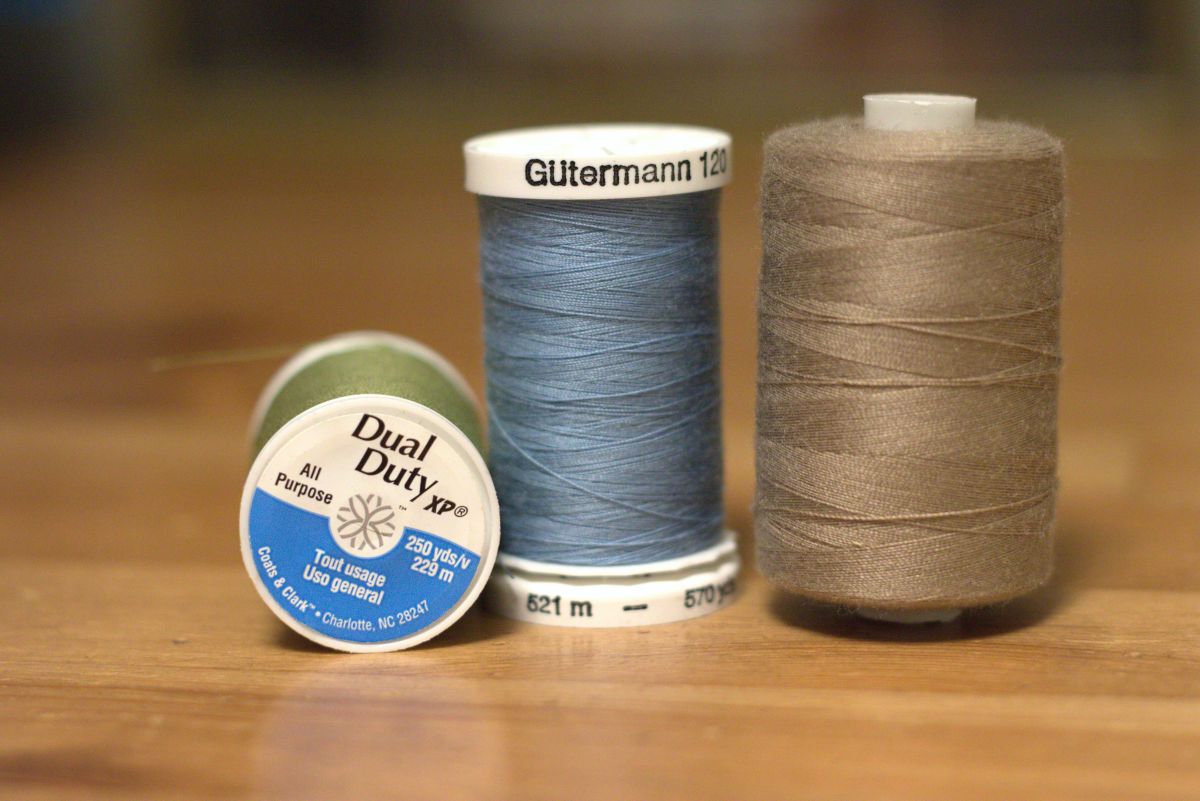
What thread to Buy for sewing
Something you probably noticed when you went to buy thread for your sewing project is how many different colors and brands there are. You’ll especially notice this if you’re looking online for thread. With all the options out there how do you know which one you should buy? Can you save some money and get the cheaper thread? Or is it better to spend a little more and get the higher quality thread?
Well, that depends on your budget and your machine.
Each sewing machine is different and works better with different threads. One might run just as well with a less expensive thread while another machine doesn’t. It takes some trial and error to figure out exactly which thread works best in your machine. However, there are a few things to keep in mind when buying thread for your sewing.
Things to keep in mind when buying thread
The Thread Wind
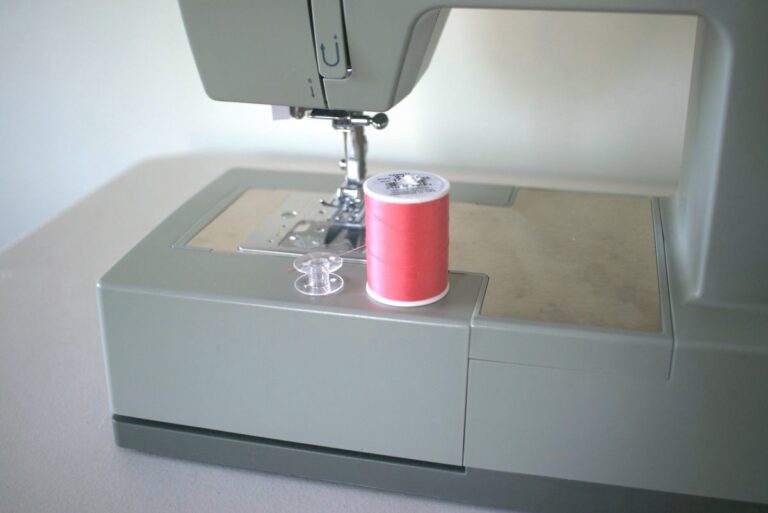
One thing you can do when buying thread is to check the way it is wound onto the spool. Thread can be wound two different ways. One way is called straight thread, which is when the thread is wound onto the spool in parallel rows. Then there is cross-wound thread, which is when the thread is wound onto the spool in a crisscross pattern. If your sewing machine spool pin is horizontal it might do better with cross-wound thread. This way the thread easily unwinds from the top when the spool is horizontal. If your spool pin is vertical it might do better with straight thread which easily unwinds from the side.
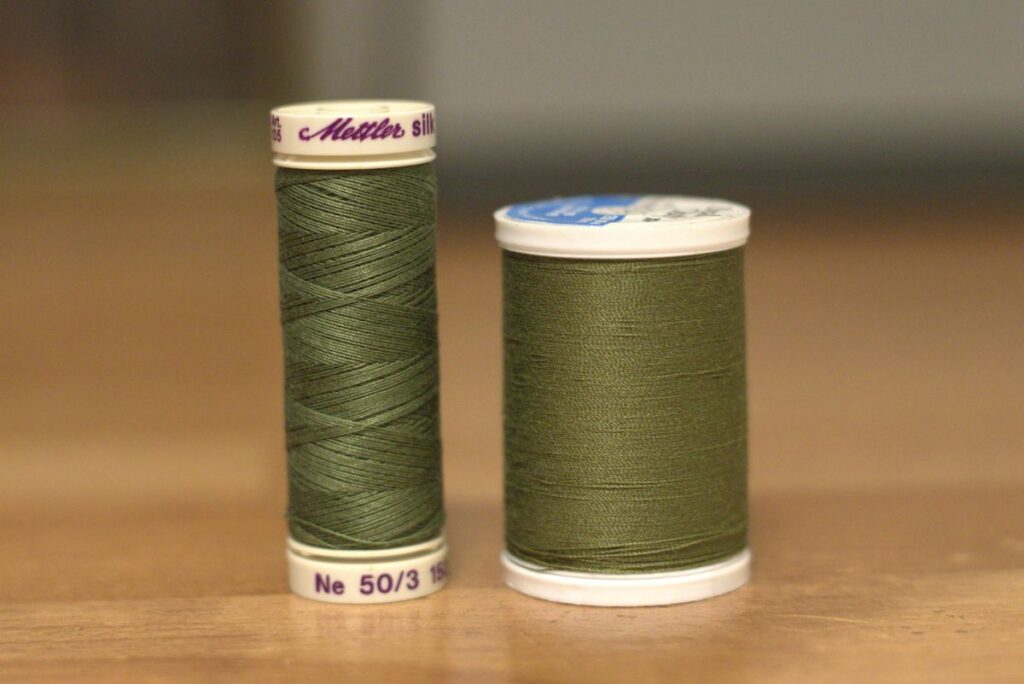
My first sewing machine had a horizontal spool, which the sewing machine I have now also has. I discovered the direction of the spool mattered when I put a spool of straight thread onto the spool and started sewing. It was fine for a little while and then suddenly the thread snapped. This happened over and over throughout the project and I ended up switching to another thread because nothing I did seemed to fix the issue.
Of course, there are multiple reasons why thread breaks, but this very likely could have been part of my problem. My new machine doesn’t seem to struggle with straight wound thread, but I was aware it could be a problem when I tested it out for the first time.
Buying Cheap vs. Expensive Threads
Higher quality thread, though more expensive, does come with some upsides to it. For example, it will be less likely to break while sewing and may lead to less fluff in your machine. If you’re on a budget and the quality threads are a little too pricey, you can try come cheaper threads. You’ll just have to keep an eye on how your machine handles them. If you go through the troubleshooting checklist and the spool is wound the way your machine likes and it still keeps breaking, it may just be low quality thread. Or if it is shedding a lot of fluff you may want to switch it out to reduce the amount of fluff building up in your machine.

Why You Should Pass On Using Old Thread
If someone hears you’ve picked up sewing and kindly gives you a stash of thread they’ve had sitting tucked away for years, the best thing to do is to thank them and then discard the thread when you get home. Old thread that has been sitting for years has likely started breaking down and will tend to break when you try to sew with it. It’s best to stick with newer thread that is stronger and more durable to make sure your projects hold up over time. That and to avoid the frustration of dealing with your thread constantly breaking on you.

Trial And Error Is The Way To Go
Overall though, the best way to figure out what thread to use is to test some out. If you’re on a budget, try to find something decently priced and see how your machine handles it. If you’re not on a budget and can afford the quality thread, go for it and test out different brands till you find one you and your machine really like. Just remember when you’re out shopping for thread, or looking online, that it’s not just about finding the perfect color to match your project. The way it’s wound and the quality are also important when choosing the right thread for your sewing.
Best of luck on your sewing journey!